

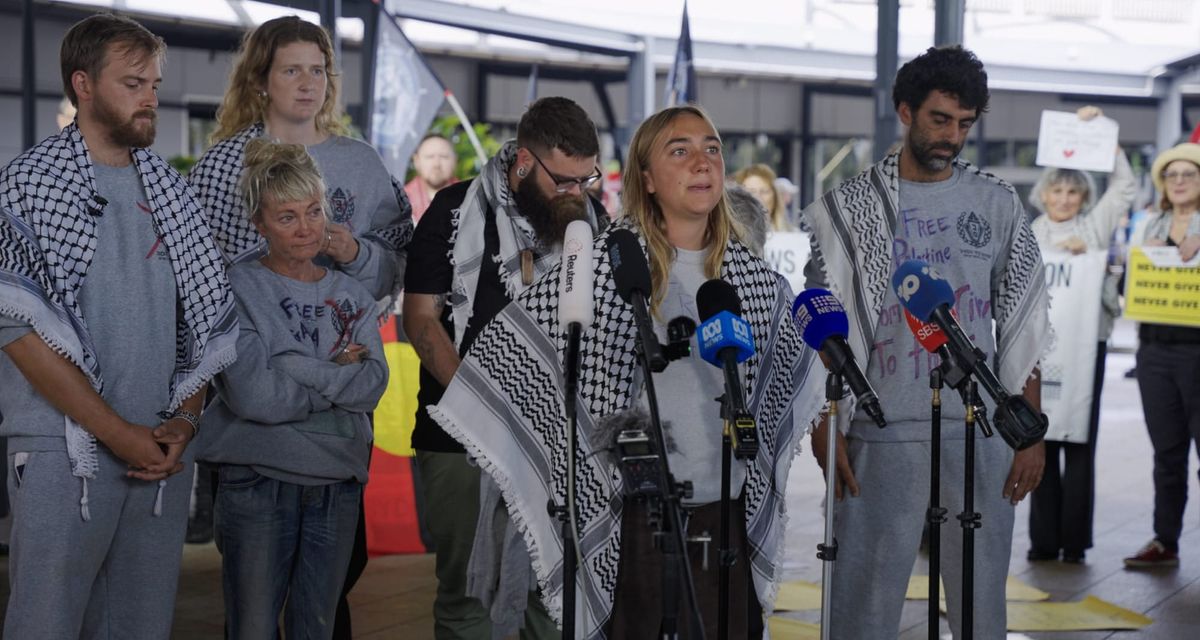
Isla was one of 428 international volunteers, including 11 Australian citizens, who were abducted and transported to the occupied territories against their will.
Content Warning
The following story contains accounts of severe violence, sexual abuse and torture.
Three weeks ago on Wednesday night, 20 May, 25 year-old Australian youth worker Isla Lamont was dragged from a prison cell in the Naqab desert to a room where armed soldiers were waiting for her. Her wrists were in tight metal handcuffs and her feet were restrained.
"They pulled down my pants to my ankles, where the shackles were, and my underpants, and took off my top, unclipped my bra. That's when there were, like, four soldiers in there with a gun to my head saying they will shoot me if I don't say 'I love Israel'."
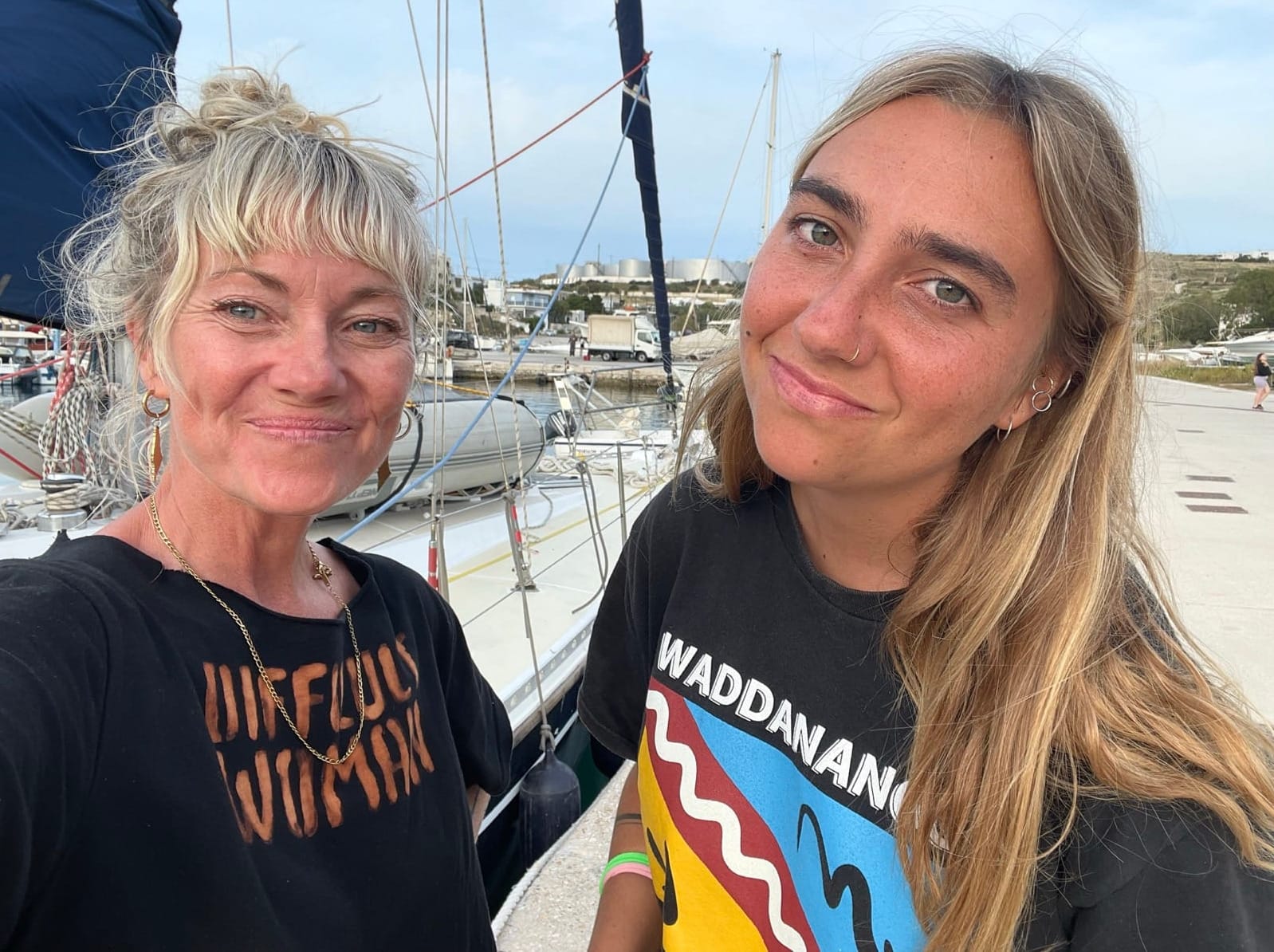
This was the second time Isla was "strip searched" that day. The first time was at Ashdod Port, after she was kidnapped from a Gaza-bound humanitarian aid flotilla sailing in international waters west of Cyprus. She was one of 428 international volunteers, including 11 Australian citizens, who were abducted and transported to the occupied territories against their will.
For almost four days, on their sailboats in Europe, aboard a converted prison ship in international waters, at Ashdod Port in southern Palestine, Ketziot Prison in the Naqab Desert, on prison buses, and all the way up to the entrance of the aeroplane, Global Sumud Flotilla (GSF) participants were beaten, tortured and raped for daring to sail to Gaza with aid.
The scene taking place in that room in Ketziot Prison was towards the end of the four horrifying and bizarre days Isla was imprisoned by Israeli forces, where she was continually beaten and sexually abused, her ribs were broken, and she was injected with an unknown substance.
"It just felt so rogue. It was like anything could happen because it was just like these young dudes that all had cigarettes behind their ears."
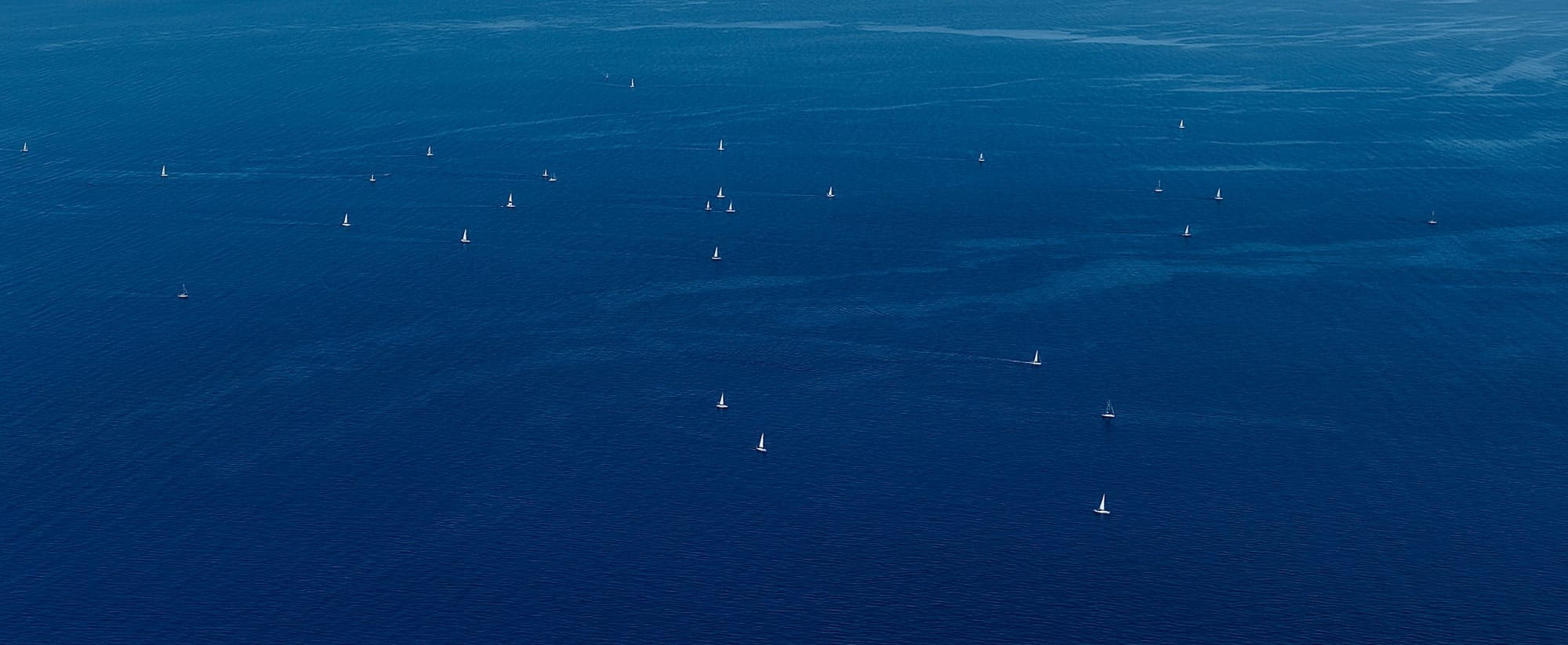
For two days last month, Israeli commandos stalked the Mediterranean sea, ramming and hijacking sailboats, shooting rubber bullets at people, and plucking hundreds of civilians from over 50 boats in international waters.
Isla was on board the first vessel the Israeli navy attacked in its 33-hour operation to stop the Global Sumud Flotilla's aid boats from reaching Gaza's shores. The fleet was in international waters, hundreds of miles from Palestine, and she was on board Kafr Qasem, the mother ship of the flotilla.
The Mother Ship
International waters
17–18 May 2026
Kafr Qasem was the tactical boat, says Isla, and they were ahead of the fleet at all times.
"It was one of the biggest sailing boats. We had the most amount of petrol, and our captain was mobile, so he would go to other boats to help them with repairs. We also had one of the people doing fleet coordination."
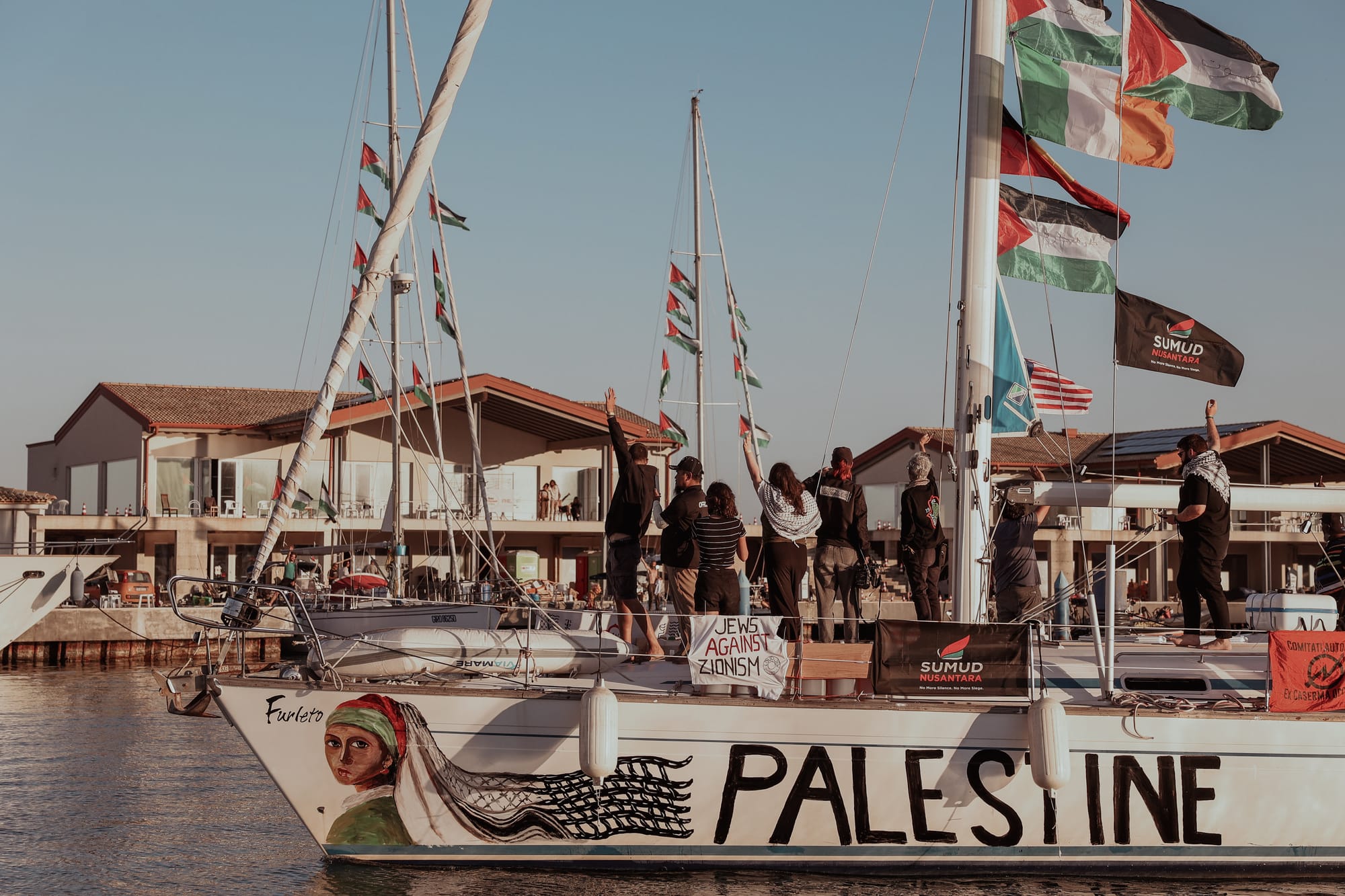
She says that's probably why theirs was the first boat the Israeli navy intercepted.
"We didn't really do anything, but we had the technical stuff and the important people on the boat, so yeah, we knew that we were going to get intercepted first. They were going for us."
SOS video released by the crew on board the Kafr Qasem (Furleto) before being captured by Israeli forces in international waters. It was the first vessel to be intercepted.
The attacks started at around 10:30am on Monday, and Isla had barely slept.
"I think I went to sleep at five in the morning. We thought we were going to get intercepted on the Sunday night because there was a lot of drone activity and I think the Israeli media had reported something, so we were gearing up for that. I was on night watch for most of that night."
Drone activity is "sort of like a really loud humming sound that follows you", she says. "They come and go. That night, they'd sort of hang around you for 10 minutes and then they'd leave and then they'd come back."
Drones make Isla uneasy after her boat was hit by Israeli drone strikes last year during an earlier attempt to deliver aid to Gaza.
"Now I'm always very hyper-aware of any sort of sound or plane. These ones were quite high, so they were just surveillance, but the ones that drop incendiaries, they're like a quadcopter drone, so they're much bigger and fly much lower."
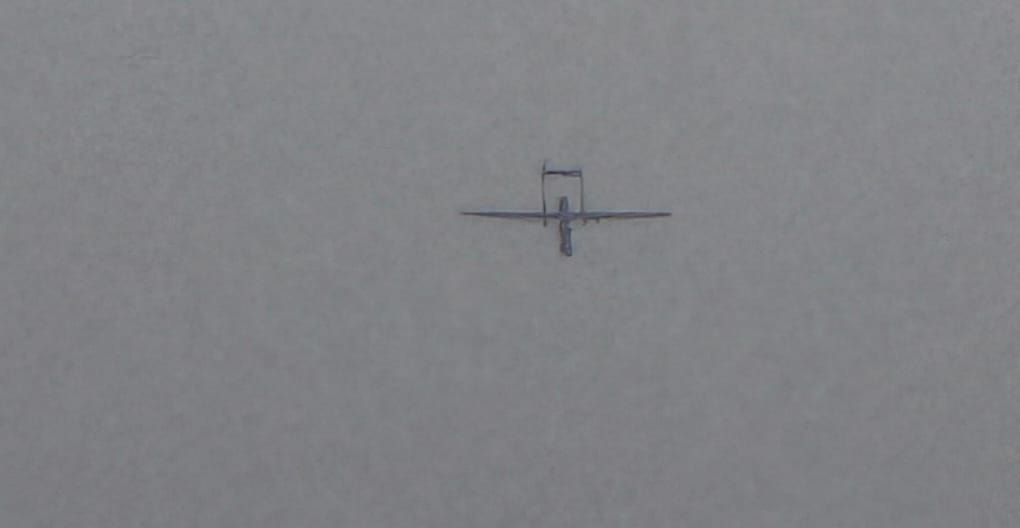
Israel has previously shown a strong preference for nighttime interceptions where they can operate under the cover of darkness. This time, those on board, and those monitoring the boats' CCTV feeds from land, could see them coming.
After sleeping for about two hours, Isla woke to a message from another boat alerting the fleet to warships on the horizon. They were in international waters, west of Cyprus.
"I went out and looked, and I could see two. You could only just see them in the binoculars then. Everyone was still asleep, apart from me and Luca, one of my crewmates, so we were keeping watch for a while. When we got a message that one of the other boats could see speedboats coming, that was when we sort of started taking it a bit seriously."
Isla and Luca woke up the rest of the crew and started preparing for a confrontation by Israeli forces. By the time their life jackets were on, three Rigid Inflatable Boats (RIBs) appeared in the distance, jetting towards them over big waves.
A crew member on the Kafr Qasem (Furleto) filmed an Israeli warship and speedboats approaching their aid vessel in international waters. Three Australians, Isla Lamont, Anny Mokotow and Sam Woripa Watson, were on board.
"Then they got pretty close, like right next to us, which is when we threw our phones overboard and they boarded the boat."
Flotilla participants throw their phones overboard as a security protocol to protect their private and personal information from being collected by foreign soldiers.
After the heavily armed commandos boarded their vessel and destroyed its CCTV cameras, Isla says they took every member of the crew aside for a body search before ordering them to sit at the front of the boat.
A Rigid Inflatable Boat (RIB) with Israeli naval commandos on board, sent by Isla before all contact was lost between land team and the crew.
"Then they drove the boat, like, really fast over pretty big waves, sort of trying to dismantle the sails. Everyone was getting pretty soaked, and they were much harder on one of the Malaysian crew members. They stripped him down to just a T-shirt and kept him separately, away from us."
The Israeli commandos drove them "quite far", for about 20 minutes until they reached a RIB they were then transferred to. The Kafr Qasem was left bobbing, abandoned at sea.
"Anybody inside?": Kafr Qasem was found abandoned in international waters with its entire crew missing. (Source: Global Sumud Flotilla)
Isla and her crewmates were all crammed together on the floor of the RIB, and it was "flooding with water".
"They were just driving so fast, so everybody, especially one of the elder Malaysian guys, was swallowing a lot of water. And they were filming it all this whole time."
Every time someone didn't look terrified, she says the soldiers would try to get it on film.
"They were pretending to be sort of friendly, just because they were filming stuff for propaganda."
Similar footage has circulated widely online during past Israeli attacks on humanitarian vessels in international waters. After intercepting the Freedom Flotilla Coalition's Madleen aid ship in June last year, Israeli soldiers recorded themselves offering Swedish activist Greta Thunberg a sandwich, in stark contrast to the violence and abuse she reported following her release.
"Before we arrived at the warship, I was thinking, 'okay, it's a daylight interception, it's going to be fine, they'll just want us out quickly'," she says. "But as soon as they grabbed me – I think they grabbed my neck and my T-shirt – I knew they were going to hurt us.
"They were just so rough. They would push your head down, and grab you by the neck, and they would throw you up quite high from the boat into this little square, kind of like a door, on the side of the warship that was flooding with water."
Isla was the second person transferred onto the ship, after her crewmate Andrea. When they threw her up there, about 20 soldiers were waiting for her inside.
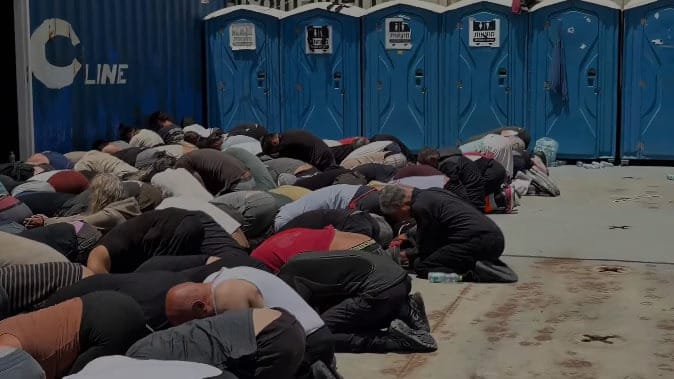
The "Torture Boat"
Somewhere in the Mediterranean
18–19 May 2026
"They took me and Andrea there first. The whole time they were holding our necks."
The soldiers dragged Andrea into an iron shipping container. Isla was next.
"I think there were about four or five soldiers when I went in, but it was pitch black. I couldn't see anything apart from the silhouettes of soldiers," she says. "That's when I felt, actually, just as I was going into the container, that they pricked me with a needle on my left side of my upper chest.
"They'd taken my fleece and left me in a wet T-shirt, and I was being thrown around between the soldiers and they were slamming me onto the floor. At one point, when I was on the floor of the container, they were groping my chest and grabbing my hair, pulling my hair, and like, forcing my head up and down.
"I got groped so many times throughout our whole detention, but that was the first time that I started thinking I was going to get raped, when I was in that container."
Isla recalls when the soldiers finally opened the container door.
"I thought it meant I'd be getting out, and then they closed it again," she says. "They did that to people throughout the next couple of days. So you'd kind of, like, gasp for air, thinking you're about to leave, and then they'd close it again."
When they did let her out, Isla says she felt "terrified and confused".
"I thought I was going to be locked inside that container. I get so claustrophobic, so that was more scary for me."
She found herself in a small concrete yard surrounded by shipping containers on all sides, with barbed wires lining the perimeter. Guards were perched above on chairs, smoking cigarettes and pointing rifles at the detainees below. They had two water cannons facing the yard.
There she found Andrea, the only other person who had so far gone through the container.
"We tried to find a small patch of sunlight on the concrete to dry ourselves, and we could hear our comrades inside the container screaming. People would come out with their pants torn down to their ankles."
When a young French woman from the second captured crew appeared in the yard, she told Isla the soldiers pricked her with a syringe.
"She was crying and she showed me her chest. We had the same red marking around where I felt the needle."
Only three of the 428 flotilla activists who were detained have so far reported being injected with a syringe. Forensic medical examinations, undertaken by detainees in Istanbul when they were released four days later, have not identified the substance.
Isla can't pinpoint the effect of the substance she was injected with either.
"I didn't sleep, so I'm not sure if it was a sedative, and I was just feeling everything from the beatings. We were all feeling sick and scared anyway, and they were keeping us awake, so it's hard to know."
For a while, Isla says it was just two flotilla boats' crews that were held captive on that Israeli prison ship, the US-made INS Nahshon, including Australians Sam Woripa Watson and Anny Mokotow.
Juliet Lamont: "I've just found out my daughter, Isla, has been intercepted."
Throughout the day, more boats were intercepted, and the yard continued to fill with shivering, bloodied and confused activists as they stumbled out of the container. Some called it a 'corridor of torture', because all of the activists who were eventually imprisoned on that ship had to pass through that shipping container to reach the prison yard. Isla says the violence would escalate as the day went on.
"The screams became louder. The tasers came out. Every new group brought in had worse injuries – necks, backs, broken ribs, collapsed lungs.
"We created our own medic area in one of the containers. A number of our own medics from the flotilla would try to help them. They couldn't really treat them, but we made neck braces out of plastic bags and stuff like that."
When the crew of Isla's mum Juliet's boat started filtering in, she couldn't see any sign of her.
"She was the only one that was missing. I was scared, because she was the organiser of their boat, and it was also her second time, so she's quite known to them.
"She came out a lot later, and she was in the container for a long time. I could hear her screaming. She came out with blood all over her face, her lips were all cut up, and she just collapsed when she came out of the container. Me and a few others just sat with her and held her and cried.
"Then another person would come, and another person would scream. It was just endless."
Juliet later confirmed five Israeli soldiers violently assaulted and raped her when she was in the container.
"The hardest thing was being there for so long and just hearing those screams in the container, and I would just wait outside to sort of catch them as they fell out," says Isla.
"Then guards started shooting at us with rubber bullets when we would help the people that were coming out, so they made us stand behind the line and were pointing guns at us to, like, back off and not help these people.
"People just had their pants around their ankles, broken bones, and welts all over their bodies from these spikes that they had on the backs of their guns. So people would be thrown out and just be on the floor, and they couldn't walk, but were sort of hurried along by soldiers telling them to get behind the line."
Over the next 50 or so hours, while the ship circled in the Mediterranean Sea, soldiers inflicted "relentless physical and psychological torture" on the flotilla participants.
"We tried hiding inside the containers because guards would randomly fire rubber bullets at anyone they wanted. Guards with shields would throw stun grenades while we sat there helpless.
"During the day, it was so hot in that yard. At night, when it was cold and we were trying to sleep on the concrete, the guards would flood the floor with freezing water."
The soldiers would engage in "random psychological warfare to scare us" and were "constantly, constantly laughing", Isla says. The ones sitting on the shipping containers that surrounded the activists would "hover over the water cannons and pretend they're about to blast us with them".
She recalls one moment when soldiers forced all of them into one container "packed so tightly that nobody could breathe".
"My mum and I were pushed to the back. We're both small, and we were completely crushed and suffocating under the weight of bodies. Then they threw stun grenades inside, and they'd just burst and we'd all be suffocating in there. At the same time, they were shooting rubber bullets that were ricocheting off the walls inside.
"You could hear them laughing while they were doing that. A lot of them seemed so young and it seemed like it was all just stupid fun to them.
"People were gasping, panicking, crying. That was the moment I truly believed I was going to die."
After doing things like this, "after scaring us so much, they'd toss us a few water bottles and soggy bread rolls".
It was the plastic bags leftover from this food and water that the activists used to improvise slings and braces for those who were severely injured.
"They also carried out raids where they would drag out two people to 'clean' that rubbish up while the rest of us were forced to huddle together watching."
Isla says a lot of the soldiers she interacted with spoke with American accents.
"They were very American – like, comically American – and the rest were speaking Hebrew. But they would actually speak to us in Arabic a lot of the time when they were ordering us to do stuff. The main American guy who was behind the line would be shouting in English, but yeah, the rest of them would speak to us in Arabic."
For the whole two days they were held on the ship, the hostages from the flotilla never knew where they were being taken or what would happen to them.
"We tried tracking the sun, but the direction kept changing," Isla says. "On the final night, after the last boats were intercepted, we realised that we'd essentially been sailing in circles somewhere between Cyprus and Egypt. Then the next morning, some people noticed land birds and realised we must be close to shore. We didn't know it was Ashdod."
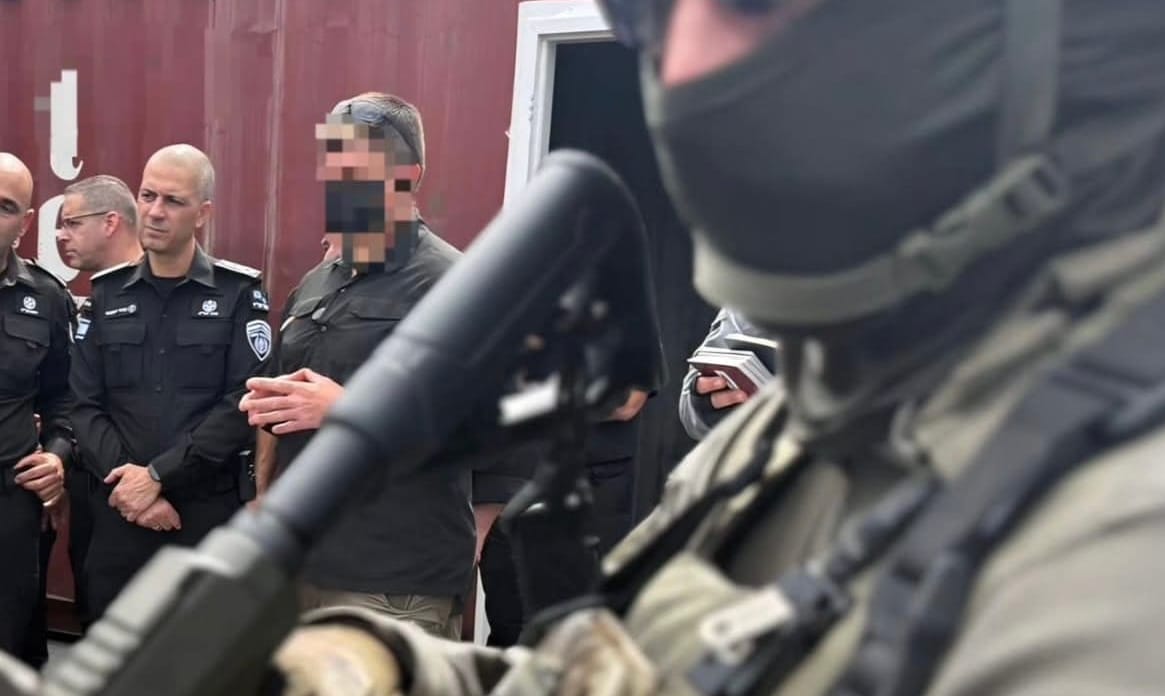
Ashdod Port
Southern Palestine
20 May 2026
After the ship docked at Ashdod Port, everyone was assigned a number in the order they entered the ship, and forced to queue while kneeling in the stress position. Isla was number two.
"I was in between Andrea and Sam. We were at the front, kneeling, our heads were against one of the containers, and our hands were cable-tied in front of us. They kept screaming at us to move closer together.
"I think that's when they started playing the Israeli national anthem, and I could see under the container that a lot of soldiers were coming in from the port. They were just filming us and laughing and calling us terrorists."
Kidnapped GSF participants on the prison ship after docking at Ashdod Port. (Source: Itamar Ben-Gvir)
Anytime they moved or tried to adjust their positions, the soldiers would hit them.
"You were trying to stay as still as possible, and your feet would go really numb. I had so much pain in my knees and feet, and my forehead was grazing against the floor."
Her hands, cable-tied in front of her, were going blue.
"I couldn't feel my fingers. Everything was just pulsating with pain, and all the circulation to my limbs being cut off made me feel so detached from my body."
One of the soldiers who was closest to Isla kept kicking her as he barked orders in a thick American accent.
"He'd have his gun to our heads and was saying stuff like 'move and I'll shoot' and 'I want a reason to shoot someone today'. He walked along the line tightening everyone’s cable ties one by one. I lost all feeling in my hands."
She could feel the sweat of those kneeling behind and beside her as they continued to be forced closer and closer together.
"We were there for a couple of hours. They just kept playing the Israeli national anthem over and over again – someone later said they counted 72 times. The guards would sing it in unison while more soldiers came down from the port to watch, take photos and laugh at us."
Eventually, the soldiers began carrying them off the ship, one by one.
"I got carried out with my arms behind my back, and they twisted them so violently that my feet lifted off the ground, so I was, like, fully off the floor. When they brought me onto the port, they got even rougher. They yanked my arms so hard the cable ties snapped, and then they replaced them with tighter ones."
As they moved through the port, Isla says "it felt like we were being put on parade".
"At one point, there were these young Israeli girls with blonde hair and really blue eyes scarily coming up to you, filming you and trying to get you to say you love Israel on camera."
She was carried to a large tent where she saw many of the activists who were detained on a different prison ship tied up on the floor in stress positions.
"As soon as I came in, there was a German girl I'd met in Italy who was on the floor having a seizure and vomiting and foaming at her mouth, with all these male guards around her that weren't doing anything. Everybody was screaming for her to get medical help, and every time she regained consciousness she tried screaming for help too. Eventually after maybe 20 minutes of her screaming, they carried her out."
Isla was one of the first from her prison boat to enter this tent, and says there were "maybe 100 people from the other prison boat" kneeling in front of her. She was near the edges, beside an air vent blasting "freezing air" at her.
"I ended up shivering. They made it really cold and they would do that the whole time. It was never a normal temperature. They would make it either scorching hot or freezing cold."
It was around this time the Israeli national security minister Itamar Ben Gvir was walking around Ashdod Port filming activists who were bound and kneeling on the floor in stress positions. They screamed as masked soldiers kicked, dragged and beat them, and the Israeli national anthem blared over the speakers on repeat.
"Don't let their shouting get to you," Ben Gvir said to those around him. "Don't get rattled."
To the activists, as he waved a large Israeli flag, he shouted: "Welcome to Israel. We are the masters."
Ben Gvir shared a video of abused activists to social media, sparking global backlash and public criticism from Israeli PM Benjamin Netanyahu and foreign minister Gideon Saar. (Source: Middle East Eye)
Isla didn't see Ben Gvir, so she doesn't know if he was there when she was. Whenever anybody tried to lift their head up, she says "there'd be a guy behind you that would smash you onto the floor".
It was here, in that first tent at Ashdod Port, that Isla thinks her ribs were fractured. She was screaming for medical help for a young Tunisian man who she'd seen on the prison ship earlier.
"He'd come in on our boat pretty late and he had broken ribs, and one of the doctors who was detained with us said he was coughing up blood and had internal bleeding. He'd been taken away for about 24 hours, and we'd been asking for signs of life for him all day on the boat.
"I saw him next to me at the port and he was lying face down, with his hands tied so tightly behind his back that his entire body trembled with pain. I could hear him quietly begging for help beneath his breath, so I started screaming for medical help for him more, at least to get his hands tied at the front, because then your shoulders don't feel like they're dislocating.
"But yeah, because I was screaming so much, that's when I was copping a lot of the kicks. They were kicking me in the temple of my head, and I think that's also when they fractured my ribs. At the time I couldn’t even feel the pain. I just kept screaming for that boy."
Isla lost feeling in her hands and legs, and her throat was raw from screaming. They were bound and kneeling on the ground in that tent for hours before soldiers began dragging them off by the neck, one by one, to the immigration centre at the port. She still didn't know where they were.
"We had one soldier per person that would hold the back of your neck and push your head down, and scream at you not to look up. I was trying to look at where we were, but they'd just smash you to the ground every time you looked up a little bit. The one escorting me kicked me over and over with heavy boots when I was down."
What she had been able to see was a "huge hall filled with Israeli flags and soldiers".
"It looked more like a military parade than an immigration centre. There were just all these random people in plain clothes carrying around Israeli flags."
The soldier pushed her down onto a chair at a table across from two plain clothed Israeli immigration officers, never releasing his grip on her neck. The officers questioned her and tried to force her to sign papers that were written in Hebrew, including ones stating she had entered Israel illegally.
"They would ask you where you're from and a lot of other questions about you. They'd seen my age and were making fun of me for being so young and from Australia, and they were making jokes about kangaroos and stuff like that."
She says these immigration officers were "way scarier than the soldiers".
"I still had no idea where we were, and it was just like these random ladies on computers that had really scary eyes trying to get all of my details. I felt like I was in a horror film."
Isla refused to sign the papers and demanded a lawyer. She doesn't speak Hebrew, so she couldn't understand what they wanted her to sign, and she hadn't entered Israel willingly.
"I could see our lawyers running frantically between tables trying to locate people. There were only a few of them for so many detainees."
She eventually got five minutes with a lawyer who told her they were being transferred to Ketziot Prison, Israel's largest detention facility.
"I told her everything I could remember from the boat. We'd memorised injuries, assaults, and names so we could report them if any of us got the chance."
After that, the soldier led her to a tent that "barely covered" her, where a group of male soldiers forcibly removed her clothing and conducted a "strip search".
"They would prod at my breasts and make fun of them, and laugh about how dirty I was and how smelly I was."
Most women Isla saw were strip searched by female officers, but she says a lot of the younger women were stripped by men.
"It was almost like the men were putting up their hands to strip search a lot of the young women."
Afterwards, Isla was restrained again, this time with metal handcuffs, instead of cable ties, and shackles around her ankles. Then she was taken onto a bus bound for Ketziot Prison.
“Welcome to Israel. We are the masters.”
- 18 May 2026: Israeli PM Benjamin Netanyahu congratulates navy for stopping activists' "malicious plan" to take food and medicine to Gaza.
- 20 May 2026: Israeli national security minister Itamar Ben Gvir and transport minister Miri Regev post videos to social media showcasing abuse of captive flotilla participants.
- 20 May 2026: Ben Gvir video sparks global condemnation and rebuke from Israeli PM Benjamin Netanyahu and foreign minister Gideon Saar.
- 20 May 2026: Israel's ambassador to Australia says no one has been hurt, and there has been "no sexual humiliation" or "sexual attacks of any kind against the flotilla people".
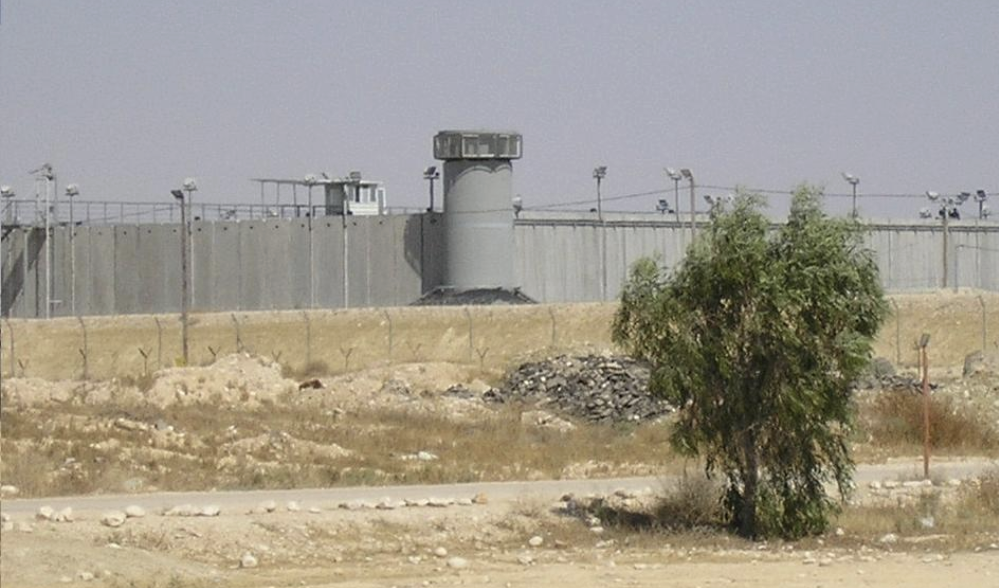
Ketziot Prison
Naqab Desert
20–21 May 2026
It was nighttime when they arrived at Ketziot Prison. Isla was the second person pulled off the bus by female soldiers "who came in being really rough".
"Someone had my hair, someone had both arms behind my back and I was shackled at the feet, so I kept tripping and falling over," she says.
She was escorted into the prison, feet dragging over the dry dirt floor, as prison officers jeered at her.
"It was really weird, like, all these guys in balaclavas sitting on these little chairs, drinking CocaCola, smoking, laughing at you, saying 'terrorist'. It was so random that it was a jail."
The first cell she was taken to had three bunk beds and was meant for six people.
"I think that was the point when they stripped people's hijabs off, just before they were getting to that cell. And they threw us one by one in the cell until it got to about maybe 25 of us in there."
Isla was then taken away for another "strip search", to a room with "four or five" male soldiers who would "come and go".
"They pulled down my pants to my ankles, where the shackles were, and my underpants, and took off my top, unclipped my bra. That's when there were, like, four soldiers in there with a gun to my head saying they will shoot me if I don't say 'I love Israel'.
"They'd laugh, and they all had their phones out. They were all pushing me around to each soldier, and they were groping me, touching my boobs, touching my bum, and laughing and looking at my passport. They were making fun of my age, and making fun of Australia, and kept trying to make me say, like, repeat, 'I love Israel, I love Israel'.
She was left with her pants at her ankles "for a while" as the soldiers hit her head repeatedly because she wouldn't say the words. When they eventually stopped and removed her restraints, they made her change into a grey Israel Prison Service -issued tracksuit and led her by her neck to the next cell.
"It just felt so rogue. It was like anything could happen because it was just like these young dudes that all had cigarettes behind their ears."
Throughout the night, guards would grab the flotilla detainees and move them around to different cells.
"You'd get put in a cell, and then after maybe 10 minutes, you'd get called out again and you'd have to get into a line. There'd always be this line of all of us, all the women, with our heads down, like in the stress position.
"Then you'd get called and you have to go in that line and then, I don't know, you'd be there for another 15 minutes before getting called into another cell. They'd make you walk with your head down all the time. A lot of people were shackled again, for some reason."
It was in her third or fifth cell, she can't remember, that Isla was reunited with her mum.
"I think I was only with her for like 10 minutes before I got moved again," she says.
One of the times Isla was taken from her cell was for a "medical examination", to a "room full of male soldiers" who wore balaclavas.
"One of the them looked at my passport, saw my age, and joked to the others that he wanted to give me a 'really good one'. They laughed together while their guns were pointed at my head, and then they took my clothes off again and took pictures of my body."
By then, she was "exhausted, disoriented, and beginning to lose all sense of time".
"I hadn't slept for over two days. We had almost no food and barely any water."
“We’re livestreaming for Ben Gvir”: Testimony of Palestinian father, Firas Hassan, who was held in Ketziot Prison
Testimony given to B’Tselem field researcher Basel al-Adrah on 24 April 2024:
[A] a force of 20 masked officers from the IRF and DU arrived with a dog. They opened the cell door and attacked us with batons. ... After they beat us up for about 10 minutes, they tied our hands behind our backs with zip ties. They fastened them so tight that I felt them cutting into my hands. ... The members of the forces laughed among themselves.
I saw them grab some inmates by the testicles, and the inmates screamed and cried. The officers also pressed their batons against the genitals of some inmates. The stream of insults didn’t stop: “motherfuckers,” “sons of bitches,” “dogs,” “ISIS.” Some of the forces filmed us with cell phones and cameras. I heard the officer tell the others in Hebrew: “We’re livestreaming for Ben Gvir.”
Full testimony and video interview: Firas Hassan (50), a father of four from Hindaza, Bethlehem District
Full B’Tselem report: Welcome to Hell: The Israeli Prison System as a Network of Torture Camps (August 2024)
The guards stopped moving them around different cells "at around 3 a.m.", the activists guessed, but their attempts to sleep continued to be disrupted by bright lights and security forces coming in with Alsatians.
Isla says "you could feel that people had been in these cells just before us".
"There was hair on all of the bunks. There were little pips from olives that prisoners' must have snuck in. Arabic writing was scratched all over the walls.
"It was just very lived in, like people had been through there not long before us."
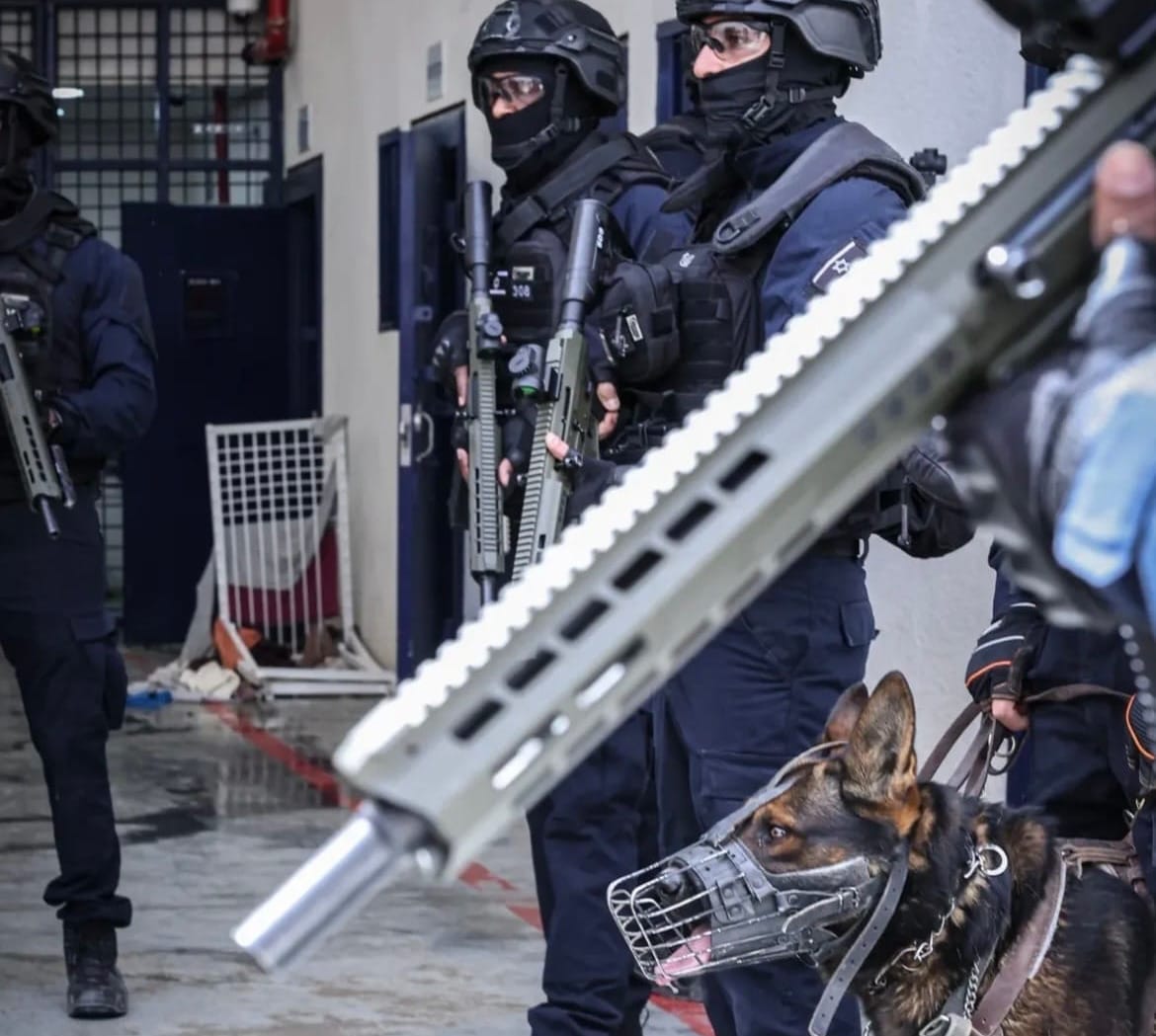
After the sun rose, the detained activists were all shackled and loaded back onto buses, told they'd be going to court and to meet with lawyers.
The bus was so hot they were "suffocating", and the drive lasted hours.
"It felt so long. I could see Anny, another Australian, and two other women in the much smaller cell on the bus, and they were screaming for someone who was overheating because there was no air-con. We were actually stationary for maybe an hour or two before we even started moving, so we had no air at all, or water."
The buses had no windows, so detainees could never see where they were going. On the way back from the prison, though, Isla was sat right up at the front and spotted a little gap she could look through.
"It was just the desert and canyons, and I could see hundreds of Israeli flags prodded in the land everywhere.
"I remember seeing a McDonald's near the end of the trip. It was random, like, it just looked so weird with these Israeli flags all around this McDonald's. Then the more we were coming in, I saw airport signs.
"There was so much media there and a lot of random Israeli people around filming the buses."
They were in Umm Al Rashrash, a popular Israeli resort city settlers call Elat, on the southern coast of Occupied Palestine.
"That's when one of the girls in my cage in the bus fainted because she just was so dehydrated and hadn't eaten or slept or anything, so we were banging on the bus. There were all these people outside, and media, and we were just screaming and banging on the bus for water, which is when they started freaking out.
"Then they dragged her out to another bit of the bus and gave her water, which was the first time that anybody had been given water, and sort of made sure that she was alive."
When they arrived, the officers unshackled each of the detainees' hands and feet and began walking them through the arrivals side of the airport.
"I was trying to carry a Greek woman who had a broken foot. Guards had trampled on her feet, both her knees were swollen from being in the stress position, and her ankle was snapped.
"When I was carrying her, they were just shoving us and being really aggressive. You could tell that they were just trying to get their last punch in. Even the airport workers were violent and gross."
On the tarmac, when Isla could see the Turkish Airlines plane that they'd be boarding, soldiers were still pushing and hitting people.
"There were two soldiers that were pushing me and another girl while we were carrying the Greek woman. They kept pushing us even while we were carrying her up the stairs of the plane."
Only when they reached the top of the stairs and actually stepped foot on the plane, Isla says, could she finally breathe again.
"I found my mum at the very back. She was bruised, bloodied and exhausted, and I just sat with her and cried.
"The whole flight to Istanbul, we chanted 'Free Palestine'."
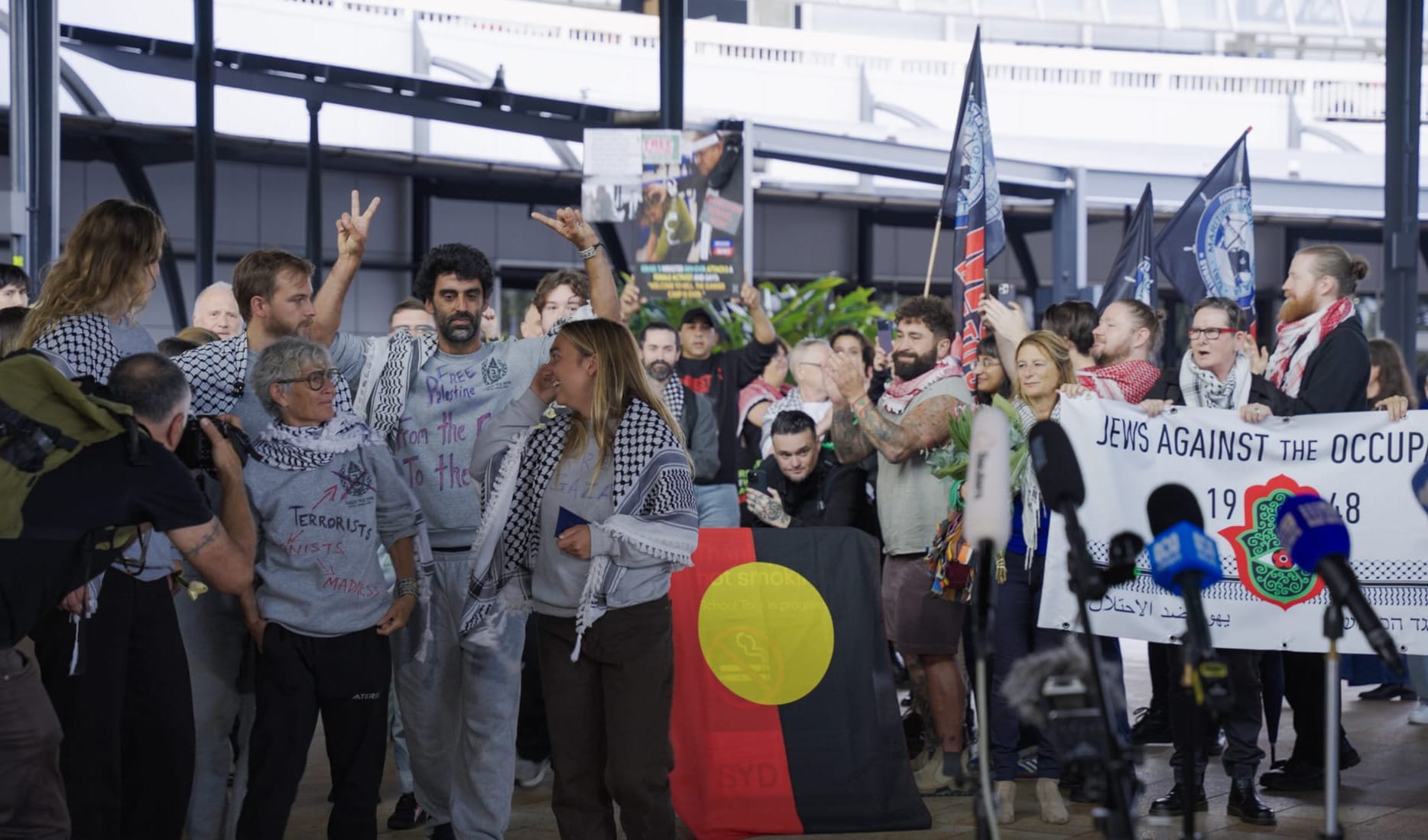
Release
21 May 2026
Even after landing in Türkiye, Isla could still hear the screams coming from the container on the prison ship.
In Istanbul, she received some medical treatment, undertook forensic medical examinations, and provided lawyers with a lengthy testimony of the abuse she was subjected to.
The Global Sumud Flotilla has now made a submission to the International Criminal Court "accusing israeli military commanders and top political leaders of committing war crimes, crimes against humanity, torture and conduct relevant to the execution of the crime of genocide". The Australian flotilla participants, including Isla, have joined the submission.
Juliet Lamont confirms severe widespread abuse and torture in Israeli detention on arrival to Istanbul.
The week the participants returned home, Isla went to the hospital to get CT scans and X-rays for her broken ribs. When she arrived, the hospital staff didn't believe her.
"They thought I was in a psychosis. Like, it was just so hard trying to explain myself after that, and I was there by myself, and they were saying, like, 'we got this' and 'a lot of people come in with psychosis'. They didn't believe any of it."